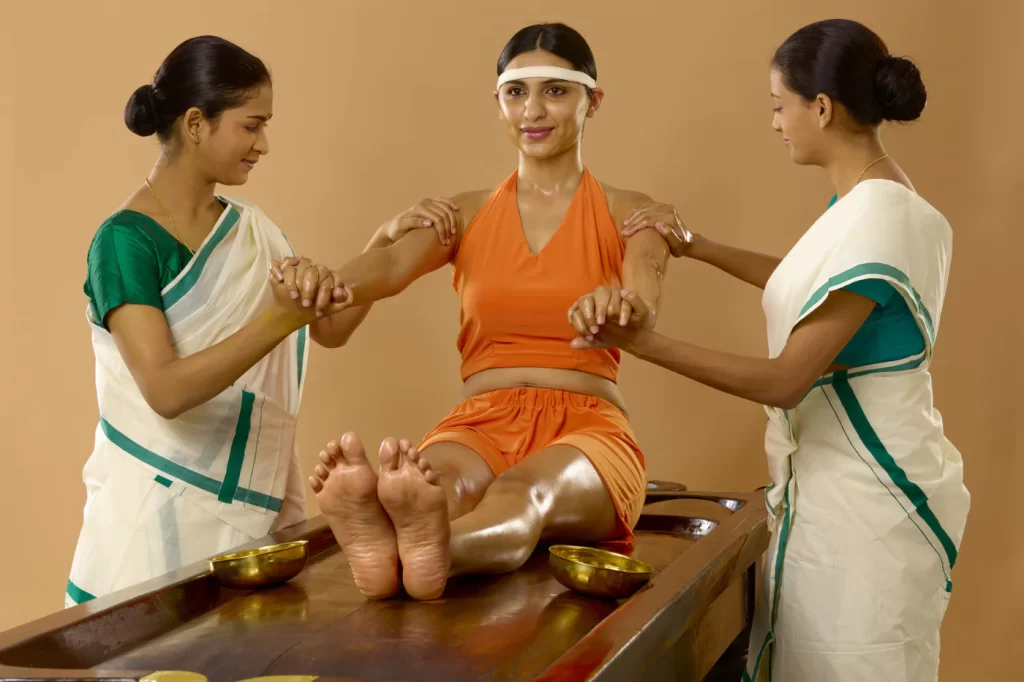
How does a full body massage help in reducing stress and muscle pain?

How does a full body massage help in reducing stress and muscle pain? A full body massage help in reducing stress and muscle pain is a very effective way to cast away stress and also relieve muscle pains since it works for both the body and mind. The gentle pressure and rhythmic strokes, as well as the better blood circulation, result in more tired muscles getting oxygen and nutrients, therefore their recovery is accelerated. Moreover, massage makes the muscles more relaxed by releasing tension and this, in turn, reduces stiffness and soreness resulting from daily activities or prolonged sitting. Besides, it controls stress hormones like cortisol and at the same time facilitates the secretion of endorphins that are the body’s natural painkillers and mood enhancers. The mingling of physical relaxation with mental tranquillity is what makes full body massage such an effective stress therapy. How does a full body massage relax the nervous system and reduce stress? A full body massage relax the nervous system and reduce stress activates the body’s natural relaxation response and so relaxes the nervous system. The gentle massaging methods used in full-body massages activate the parasympathetic nervous system, resulting in lower heart rate, lower blood pressure, and a more relaxed mind. This mechanism not only reduces stress hormone secretion such as cortisol but also promotes the secretion of serotonin and dopamine, which in turn spread the feeling of happiness. Muscle relaxation leads to the reduction of nerve tension, thus allowing the body to come out of the constant “fight or flight” state. This intense relaxation very effectively reduces mental stress, enhances sleep quality, and brings back overall harmony. Also visit our Massage in kalyan In what ways does massage therapy help relieve muscle stiffness and pain? Massage therapy help relieve muscle stiffness and pain is an excellent way of relieving pains and aches in the muscles, not to mention its effect on blood circulation and muscle fibers. By applying pressure in the right spots, knotted muscles and adhesion are easily handled and disappeared, which are caused by stress, incorrect posture, or physical activity. Besides, the massage promotes healing by increasing the supply of oxygen and nutrients to the muscles and then reducing inflammation. The process also includes the postponement of soft tissue and joint stiffness which results in easier and less painful movement. We should also mention the fact that massage therapies generate the discharge of endorphins – the body’s own painkillers – and at the same time relax the nervous system. Together, these responses not only help the body to feel better but also keep it that way for longer. Can regular full body massages improve circulation and reduce chronic muscle tension? The practice of full body massages improve circulation and reduce chronic muscle tension basis will result in a lot of health-positive changes in circulation and an also gradual reduction of the suffering from chronic muscle tension. Blood flow is further enhanced through massage techniques; hence, muscles become more and more oxygenated and nutritious, while wastes like lactic acid are efficiently removed. The area of circulation that has been greatly improved facilitates faster muscle recovery and at the same time, keeping tissues alive and supple. To put it differently, the on-going massage treatment also draws the line of stress and thus prevents the formation of knots in the muscles resulting from stress, repetitive movements, or improper posture. Consequently, such tension in muscles is lessening, thus the pain and discomfort are lesser, thus joint mobility and ease are better. Moreover, regular massages work as a tranquillizer on the nervous system, thus, along with the previous benefits, there is also the prevention of tension accumulation that allows for a more extended period of physical and mental wellness. How do massage techniques stimulate hormones that promote relaxation and pain relief? Massage techniques stimulate hormones that promote relaxation and pain relief is a whole-body relaxing process that treats by activating one’s own hormone systems, through the body’s nervous system and the endocrine system. The gentle, rhythmic pressure of massage acts as a signal to the brain that reduces the release of cortisol and adrenaline, which are the main stress hormones. Besides, treatment with hands results in the release of endorphins, which are the body’s natural pain killers as well as the positive mood enhancers. Moreover, it also boosts the levels of serotonin and dopamine, the hormones associated with relaxation, emotional wellness, and sleep improvement. By soothing the nerve signals and relieving the muscles, the procedure allows the body to enter a repair mode where the process of restoration is promoted and the discomfort caused by nature is reduced.